Apartment vs. House vs. Condo: Which Rental Fits You in West Carrollton?
By the West Carrollton Apartments team ·
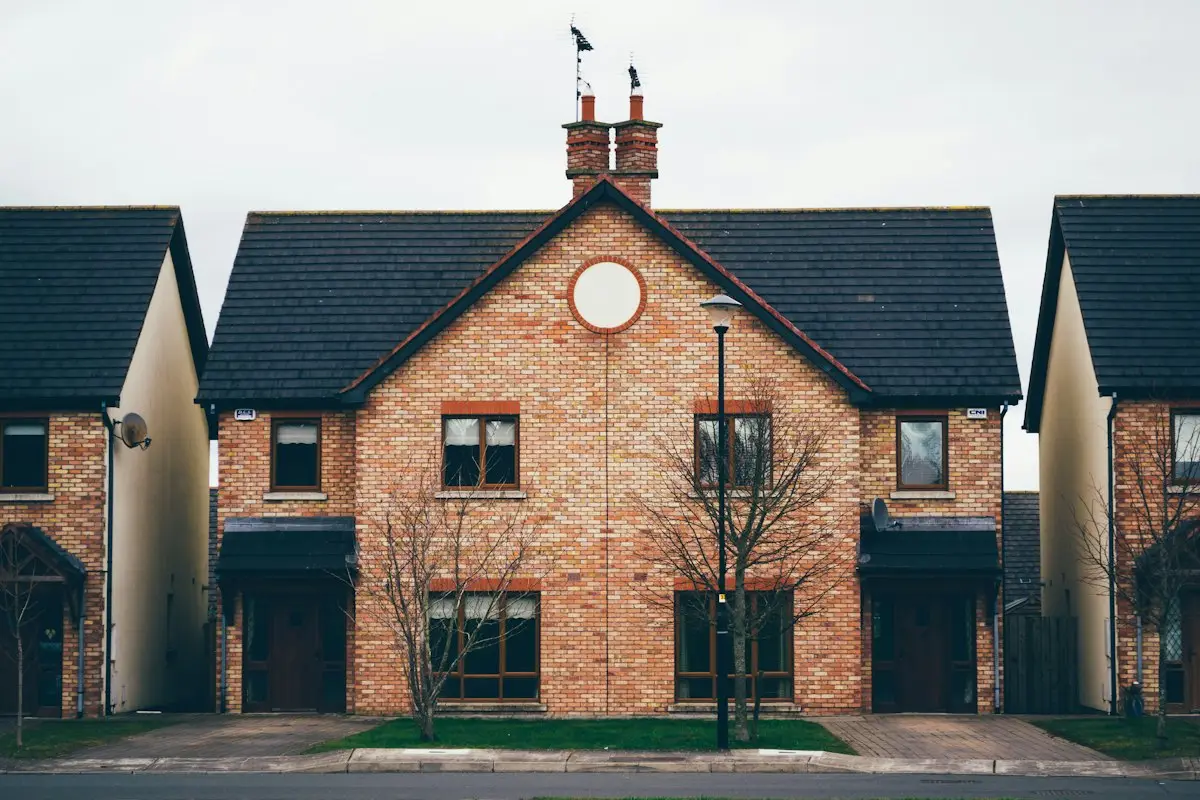
When you start looking for a place to rent in West Carrollton, you will see three main types of listings: apartments in managed communities, single-family houses rented by individual owners, and condos rented out by their owners. Each one changes how much you pay, how much space you get, and how much of the upkeep lands on you. Here is a straightforward comparison to help you decide, plus a quick note on the flat-versus-apartment question that confuses a lot of people.
The quick comparison
| Factor | Apartment | Rental house | Rental condo |
|---|---|---|---|
| Typical monthly rent | Lowest for the bedroom count | Usually highest | Varies widely |
| Who handles repairs | On-site or management team | Individual owner or their manager | Owner inside, association outside |
| Lawn and snow | Handled by property | Often the tenant | Usually the association |
| Space and storage | Most compact | Most room, often a basement or garage | In between |
| Amenities | Often pool, fitness room, laundry | Private yard | Depends on the complex |
| Privacy and noise | Shared walls | Most private | Shared walls |
| Lease flexibility | Standard terms, sometimes short-term options | Depends on owner | Depends on owner and association rules |
Why many renters choose an apartment
Lower, more predictable costs
Apartments usually have the lowest rent for a given number of bedrooms. Many West Carrollton communities include trash, and some include water and sewer. Smaller square footage also means smaller heating and cooling bills, and shared walls help hold heat in winter. If keeping monthly costs down is your top priority, start with our list of apartments under $1,000.
Maintenance is someone else's job
When the dishwasher leaks or the heat goes out, you submit a request and maintenance comes to you. There is no mowing in July and no shoveling the driveway in January. For people with long commutes up I-75 to Dayton or busy work schedules, that time savings is real.
Amenities you would not have at a house
A pool, fitness room, package lockers, and on-site laundry are common in apartment communities. You get access without paying to build or maintain them. Our guide to amenities worth paying for can help you decide which ones matter.
Flexibility
Apartment leases are standardized, and large communities often have several units turning over at once, which makes it easier to move to a bigger or smaller unit within the same property when your life changes.
When a rental house makes more sense
A house is worth the higher cost for some renters:
- Families who need more bedrooms or a yard for kids.
- Large dog owners who want a fenced yard. Many apartments have breed or weight limits; see our pet-friendly apartments to compare.
- People with hobbies that need a garage, basement, or workshop space.
- Anyone sensitive to noise who wants no shared walls or ceilings.
The trade-off is responsibility. Rental house leases often make the tenant responsible for all utilities, lawn care, and snow removal, and repair response can depend on how organized the individual owner is. Read the lease carefully and ask who to call for emergencies.
What renting a condo is really like
A rental condo is an individually owned unit in a building or complex governed by a condominium association. It can feel like an apartment, with shared walls and common areas, but the arrangement is different in a few important ways.
Two sets of rules
You sign a lease with the owner, but you also have to follow the association's rules on things like parking, pets, noise, and trash. Ask for a copy of those rules before signing.
Repairs can be split
Problems inside the unit usually go to the owner. Problems with the roof, exterior, or common areas usually go to the association. That can mean slower fixes if the two point at each other.
Finishes can be nicer
Because owners sometimes upgrade condos for their own use, you may find better finishes than in a comparable apartment. The flip side is that there is no on-site leasing office if something goes wrong at 10 p.m.
Do not forget townhomes
Rental townhomes sit between apartments and houses. You typically get two floors, more storage, and sometimes an attached garage or a small patio, while a management company still handles most maintenance and exterior upkeep. Browse West Carrollton townhomes if you want more room without taking on a house.
Flat vs. apartment: is there a difference?
Not really. "Flat" is the usual British word and "apartment" is the usual American word for a self-contained home inside a larger building. In U.S. listings, you might occasionally see "flat" used to describe a single-level unit, to distinguish it from a two-story townhome or a loft. If a listing uses the word, just check the floor plan to see what you are getting.
A few other terms that show up in Dayton-area listings:
- Garden-style: low-rise buildings, usually two or three stories, often with exterior entrances or breezeways.
- Studio: one main room combining living and sleeping space, with a separate bathroom.
- Duplex: a building split into two units, either side by side or stacked.
How to decide
- Set a total housing budget that includes rent, utilities, parking, and renters insurance. Our rent affordability calculator is a good starting point.
- List your must-haves: bedrooms, yard, garage, pet rules, in-unit laundry.
- Be honest about upkeep. If you do not want to mow or shovel, a house will wear on you.
- Think about how long you will stay. If your plans could change within a year, an apartment with flexible terms is easier to leave or switch.
Still not sure? Take our apartment match quiz to narrow down the type of home and floor plan that suits your lifestyle.
Frequently asked questions
Is renting an apartment cheaper than renting a house?
Usually, on a monthly basis. Apartments tend to have lower rent for the same number of bedrooms, and some utilities or services may be included. Rental houses often require tenants to pay all utilities and handle lawn care and snow removal, which adds to the real cost.
What is the difference between a flat and an apartment?
There is no practical difference. Flat is the common British term and apartment is the common American term for a self-contained home within a larger building. In the U.S., flat sometimes describes a single-level unit, as opposed to a two-story townhome.
Who handles repairs when you rent a condo?
Inside the unit, the condo owner (your landlord) is generally responsible under your lease. Common areas and the building exterior are typically handled by the condo association. Ask who to call for each type of issue before signing.
Are townhomes a good middle ground?
Often, yes. Rental townhomes usually offer more space, multiple floors, and sometimes an attached garage or small yard, while still being managed by a property company that handles most maintenance.