Renting an Apartment Checklist: What to Check Before You Tour and Sign
By the West Carrollton Apartments team ·
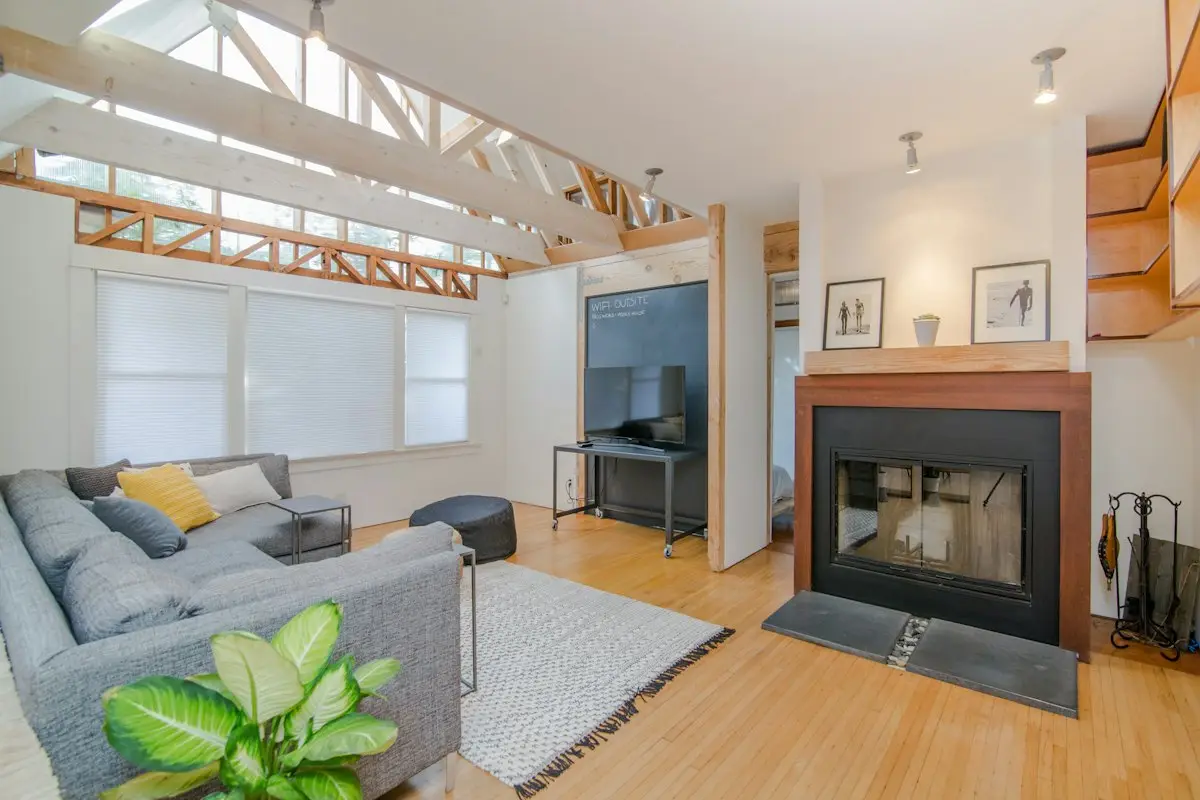
Apartment hunting is part research project, part gut check. The listing photos get you in the door, but the details you notice on a tour and the fine print you read before signing decide whether the next twelve months feel easy or frustrating. This checklist walks through the whole process in order, from setting your budget to the move-in walkthrough, with a few notes specific to renting in West Carrollton and the south Dayton suburbs.
Before you start touring
A little prep keeps you from falling for a place you cannot comfortably afford or that does not fit your routine.
- Set a real budget. Rent is only one line. Add utilities, renters insurance, parking and any pet fees. Our rent affordability calculator gives you a quick target range.
- Know your must-haves. Number of bedrooms, in-unit laundry, a dog-friendly policy, ground-floor access or a second bathroom. Rank them so you know what you would trade.
- Map your daily trips. West Carrollton sits along I-75 and SR-725, so getting to downtown Dayton, Miamisburg or Kettering is usually straightforward, but a few minutes on either end of a commute add up. Check the drive at the times you would actually be on the road.
- Gather your documents. ID, proof of income, references and a way to pay an application fee. Having them ready lets you apply the same day if you find the right place.
If you are not sure which unit size or style fits, list your top three priorities before you browse West Carrollton apartment listings. It makes comparing places much easier.
What to check on the tour
Bring a tape measure, your phone for photos and a short list of questions. Ask to see the actual unit you would rent whenever possible.
Inside the unit
- Water: Run the kitchen and bathroom faucets and the shower. Check the pressure, how long hot water takes and whether drains empty quickly.
- Signs of moisture: Look under sinks, around the tub and near windows for stains, soft spots or a musty smell. Older buildings near the river valley can hold humidity, so ventilation matters.
- Heating and cooling: Ohio winters and humid summers both test HVAC systems. Ask how old the furnace and air conditioner are and how filters are changed.
- Windows and doors: Open and close them. Check that locks work, screens are intact and there are no obvious drafts.
- Outlets and lighting: Count outlets in each room, especially where your desk and TV would go. Flip every switch.
- Appliances: Open the fridge, oven and dishwasher. Ask whether a washer and dryer are included or if there are hookups.
- Storage: Closet space, a pantry, a storage unit or a garage spot can matter more than an extra 50 square feet.
- Cell signal: Make a quick call from the bedroom and living room.
Around the building
- Noise: Listen for neighbors, traffic and the highway. Visit once at night or on a weekend if you can.
- Parking: Is it assigned, first come first served, or extra? Where do guests park?
- Trash and recycling: Where are the dumpsters, and how clean is the area around them?
- Common areas: Hallways, laundry rooms and mailrooms are a good preview of how well management keeps up the property.
- Package handling: Lockers, an office or your front step. This matters if you order often.
Questions to ask the landlord or leasing office
- What is included in rent, and which utilities are in my name?
- What fees are due at signing, and what recurring fees apply each month?
- How much is the security deposit, and what is the process for getting it back?
- How do I submit maintenance requests, and how fast are they usually handled? Is there an emergency line?
- What is the pet policy, including breed or weight limits, deposits and monthly pet rent?
- Are there rules about painting, hanging shelves or other changes?
- What happens if I need to break the lease early?
- Is renters insurance required, and what minimum coverage do you ask for?
- How much notice is required before I move out or renew?
Write the answers down. If something important is promised verbally, ask for it in writing or in the lease. For a deeper look at the costs that often catch renters off guard, see our guide to hidden costs of renting an apartment.
Reading the lease before you sign
A lease is a contract, and it is worth reading every page even when you are excited to move. Look closely at:
- Term and dates: Start date, end date and what happens at the end. Does it renew automatically or convert to month-to-month?
- Rent details: Amount, due date, grace period, late fees and accepted payment methods.
- Maintenance responsibilities: What you handle (light bulbs, filters, smoke detector batteries) versus what the landlord handles.
- Entry: In Ohio, landlords generally must give reasonable notice before entering, and 24 hours is presumed reasonable except in emergencies. Our Ohio tenant rights guide covers this in more detail. This is not legal advice.
- Early termination and subletting: The cost to break the lease and whether subletting or lease transfers are allowed.
- Guest and occupancy rules: Limits on how long a guest can stay before they need to be on the lease.
If anything is unclear, ask before signing. A good landlord would rather explain a clause now than argue about it later.
Move-in day checklist
- Do a walkthrough with the move-in inspection form and note every scratch, stain and dent.
- Take dated photos and video of each room, including inside appliances and cabinets.
- Test smoke and carbon monoxide detectors.
- Locate the breaker panel and water shutoff.
- Set up electricity, internet and renters insurance so they start on move-in day.
- Submit a maintenance request right away for anything that is not working.
Planning the move itself? Start booking movers or a truck a few weeks ahead, especially around the first of the month when demand peaks.
The bottom line
The best apartment is the one that fits your budget, your commute and your daily habits, with a lease you fully understand. Take your time on tours, ask direct questions and get promises in writing. A careful hour now can save you a year of small annoyances and a lot of money at move-out.
Frequently asked questions
How many apartments should I tour before signing?
There is no magic number, but seeing at least three places gives you a sense of what rent buys in your price range. If the first one checks every box and the lease terms are fair, it is fine to move quickly in a competitive market.
What documents do I need to apply for an apartment?
Most landlords ask for a photo ID, recent pay stubs or an offer letter, and permission to run credit and background checks. Some also want prior landlord references or bank statements, so have digital copies ready before you tour.
Should I take photos during a move-in inspection?
Yes. Photograph every room, including walls, floors, appliances and fixtures, and note any damage on the move-in form. Dated photos help you show what was already there when you move out and the security deposit is reviewed.
Is it okay to ask to see the exact unit instead of a model?
Absolutely. A model shows the floor plan at its best. Ask to see the actual unit, or one with the same finishes and exposure, so you can check noise, light, water pressure and condition for yourself.