Can You Renovate a Rental Apartment in Ohio? What Renters Can and Cannot Change
By the West Carrollton Apartments team ·
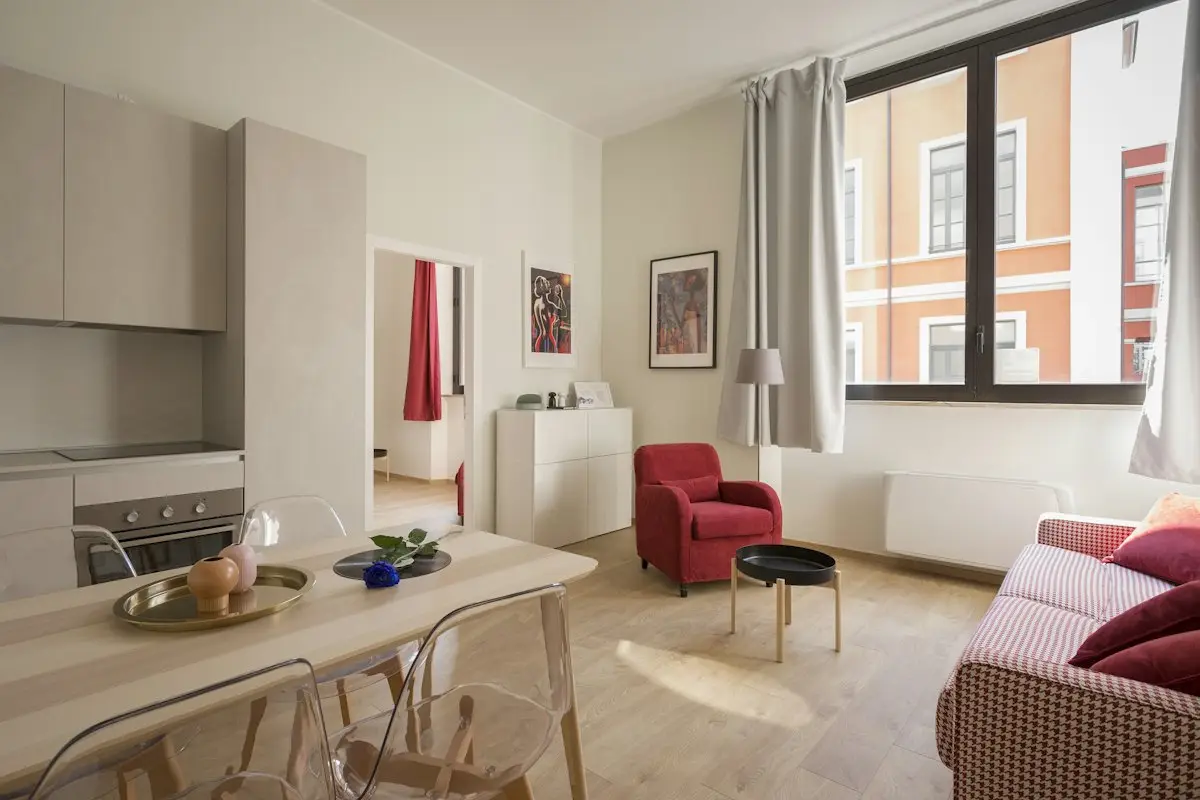
Renting does not mean you have to live with beige walls, harsh overhead lighting and a dated kitchen forever. But it does mean the apartment is someone else's property, and changes you make can affect your security deposit, your relationship with the landlord and, in some cases, your lease. Here is how to figure out what you can change in an Ohio rental, how to ask for permission, and which upgrades are safe to do without asking anyone.
Start with your lease
Your lease is the first place to look. Most include a section on alterations, improvements or decorating. Common language includes:
- No alterations without written consent. This is the most common clause, and it usually covers painting, drilling, changing fixtures and installing anything permanent.
- Restoration at move-out. You may be allowed to make changes as long as you return the unit to its original condition.
- Improvements become the landlord's property. Some leases say anything attached to the unit stays when you leave.
- Specific bans. Many prohibit changing locks, adding satellite dishes in certain spots, or installing washers, dishwashers or other appliances yourself.
Ohio's landlord-tenant law, Ohio Revised Code chapter 5321, sets out general duties for both sides. Tenants must keep the unit safe and sanitary and must not deliberately or negligently damage the premises. Beyond that, the specifics of what you can change mostly come down to your lease. This is not legal advice, so if a clause is unclear, ask your landlord or a local legal aid office.
Changes that usually need permission
- Painting walls, cabinets or trim.
- Drilling into walls for TV mounts, heavy shelves or curtain rods.
- Replacing fixtures like light fixtures, ceiling fans, faucets or cabinet hardware.
- Electrical or plumbing work of any kind, which may also require a licensed professional.
- Flooring changes, including installing floating floors or removing carpet.
- Changing or adding locks, since the landlord needs access for repairs and emergencies.
- Smart devices that replace a thermostat, doorbell or lock.
How to ask your landlord for permission
Landlords say yes more often than renters expect, especially when the change is tasteful and the tenant is reliable. A few tips:
- Be specific. Instead of asking to paint, ask to paint the living room a named light gray and include a photo or color swatch.
- Explain who will do the work. If a professional is involved, say so. For electrical or plumbing changes, landlords often want a licensed contractor.
- Offer to restore. Promising to repaint or reinstall the original fixture at move-out removes most of the risk for the landlord.
- Get it in writing. An email reply counts. Save it with your lease so there is no dispute later.
- Clarify costs. If you hope the landlord will pay for some of it, or give you a rent credit, agree on the amount before you begin.
Some upgrades actually add value to the unit, such as a better shower head or a neutral, fresh paint color. Pointing that out can help your case.
Renter-friendly upgrades that need no permission
You can change the look and feel of an apartment a lot without touching anything permanent.
Walls
- Removable wallpaper on an accent wall. Test a small piece first, since some paint finishes can peel.
- Adhesive hooks and strips for art and mirrors. Our guide on how to hang art in a rental without damage covers the options in detail.
- Leaning art and mirrors against a wall or on a picture ledge placed on furniture.
Lighting
- Floor and table lamps with warm bulbs to soften harsh overhead lighting.
- Plug-in sconces with cord covers.
- Smart bulbs that screw into existing fixtures.
Kitchen and bath
- Peel-and-stick backsplash on a section of wall.
- Contact paper on shelves and drawer liners.
- A new shower curtain, rod and bath mat.
- Swapping the shower head is generally simple, but keep the original and reinstall it when you leave. Some landlords still want to be told.
Floors and windows
- Area rugs to cover worn carpet or cold floors, which helps in an Ohio winter.
- Tension rods for curtains in window frames.
- Your own curtains hung on the existing rods.
Protecting your security deposit
- Take photos of the unit at move-in, and again before and after any approved change.
- Keep the original fixtures, hardware and blinds in a labeled box.
- Restore any agreed items before your move-out inspection.
- Patch small nail holes with spackle if your lease allows it, matching the finish carefully.
Under ORC 5321.16, an Ohio landlord who keeps part of your deposit must give you an itemized written list of deductions within 30 days after you end the lease and give back possession, provided you have left a forwarding address in writing. Approved changes that you restored properly should not be on that list. This is not legal advice; see our Ohio tenant rights guide for more.
When a renovation is not worth it
If you find yourself wanting to change the kitchen, the flooring and the bathroom all at once, it may be a sign the unit is not the right fit. Newer buildings often come with the finishes renters want, so it can be easier to look at other West Carrollton apartments when your lease is up than to fight an older layout.
The bottom line
Read your lease, ask before doing anything permanent, and get approvals in writing. For everything else, removable decor, smart lighting and rugs can make a rental feel like home without risking your deposit.
Frequently asked questions
Can I paint my apartment without asking?
Usually not. Most leases require written permission to paint, and many ask you to repaint the original color before moving out. Ask first, and get the approval and any conditions in writing.
Will small nail holes come out of my security deposit?
It depends on your lease and the landlord. Small nail holes from hanging pictures are often treated as normal wear and tear, but large anchors or many holes may not be. Read your lease and ask before drilling.
Can my landlord charge me for unapproved changes?
Yes. If you make alterations without permission, the landlord may deduct the cost of restoring the unit from your security deposit, and in Ohio deductions must be itemized in writing. This is not legal advice; check your lease.
Do I get reimbursed for improvements I make?
Generally only if the landlord agrees in advance. If you want a rent credit or reimbursement for an upgrade, put the amount and terms in a written agreement before you start.